

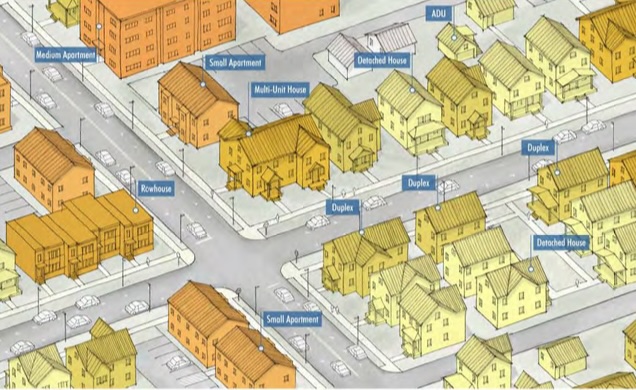

In Sentinel Colorado, Cassandra Ballard reports that Aurora leaders have greenlit a plan to expand compact housing and reinvest in older neighborhoods by loosening small lot limits and opening the door to more accessory dwelling units. The author is Cassandra Ballard. City staff and consultants told council the goal is flexibility, affordability, and better design, not a concrete jungle.
Ballard details how small lot single family, once boxed into the city’s eastern Sub Area C, would be allowed citywide, with code simplified across Sub Areas A, B, and C. Project lead Brandon Camaratta said developers want small lots beyond the far east and in higher percentages inside master plans. Consultant Chris Brewster said the city regulates the right things but made the process overly complex. Simplifying standards would let builders mix types, add ADUs on big underused lots, and use alley loaded or shared parking that cleans up streetscapes. Council members from across the city voiced support, with Mayor Mike Coffman favoring alley parking and Councilmember Françoise Bergan calling the change overdue in transit served areas. Next steps include drafting amendments now and introducing formal language as early as January.
The Bullet Point Brief
- Citywide small lots. Aurora moves to allow compact single family in all three sub areas, not just east of E 470.
- ADUs and infill. Big lots could add carriage houses to unlock ownership and gentle density in older blocks.
- Simpler code. Brewster’s audit says design rules are fine, the path is not. Fewer formulas, more flexibility.
- Better streets. Alley parking, shared courts, and water wise frontages reduce garage forward look and keep walkability.
- Local control in action. Council support was broad. This came from Aurora staff and council, not a state mandate.
My Bottom Line
This is the kind of creative, lean, local work I have been pushing in conversations for months. Infill, ADUs, and a rethink of old SF1 habits are how you add supply without blowing up neighborhood character. Aurora is choosing tools that fit Aurora.
Here is the bigger win. These ideas did not drop from a one size fits all mandate out of the Capitol. Local governments know their blocks, alleys, and market realities. Let cities tailor solutions, measure outcomes, and iterate. The state can set guardrails. It should not micromanage design from a central planning desk. If you want affordability, get local, get flexible, and get out of your own permitting way.
Source: Sentinel Colorado
